One profound insight from studying Cognitive Behavioral Therapy is the tremendous impact our early life development has on the beliefs and sense of identity we carry throughout our lives. The care and love we receive—or lack thereof—profoundly influences our behavioral patterns as we grow.
Studying Erik Erikson’s stages of human development, he breaks life into eight distinct stages, revealing how each stage intricately feeds into the next.
The First Two Stages: Infancy and Toddlerhood – The Foundation of Trust
During the initial 0-3 years, children begin understanding and adapting to the world around them, developing a complex understanding of trust and autonomy.

Stage Three: Early Childhood – Interpreting Parental Interactions
The journey becomes fascinating from the third stage, when children are between 3-5 years old. At this point, they start translating the lessons learned from earlier stages into their current experiences. They now have a nuanced understanding of who their parents are, developing a sophisticated sense of whom they can trust.
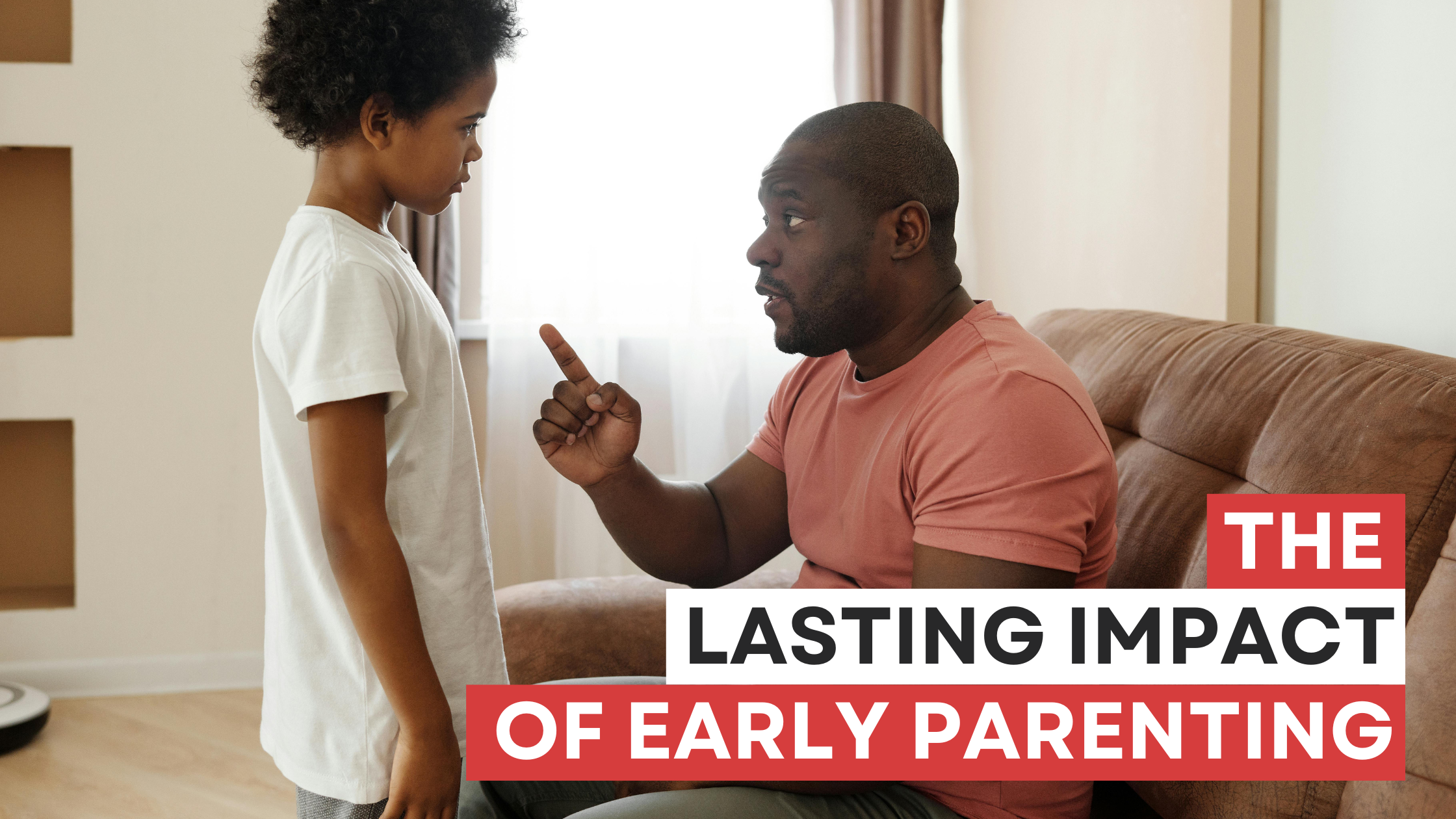
This junior schooler stage is delicately important. Children begin drawing intricate inferences from their parents’ behaviors and responses. Something as seemingly minimal as a father not carrying his child or a mother’s momentary lack of a smile can be deeply interpreted by the child as a statement about their own lack of lovability or low self-worth.

Stage Four: Middle Childhood – Developing Self-Worth
The senior schooler stage, covering ages 5-13, marks a critical difference between shy, reserved children and confident, sociable ones. This phase is perhaps the most profound reflection of the love and care children have received from their parents or guardians.
Children who have been nurtured with love demonstrate a robust sense of security in their identity. They speak confidently, feel no compulsion to compare themselves to others, and move through the world with an inherent sense of self-worth. Conversely, children who haven’t experienced consistent love learn to doubt themselves, developing an insidious feeling of inadequacy that can seed an enduring inferiority complex.

Stage Five: Teenage Years – Identity Formation
As we transition into the teenage years (13-21), we enter what Erikson describes as the “Strong Identity vs. Role Confusion” stage. Some individuals emerge with a deeply affirmed sense of self, rooted in love and trust, while others remain fundamentally confused about their identity.
The potential consequences of an ungrounded identity are profound. Young people might desperately seek acceptance from anyone willing to provide it, potentially exposing themselves to dangerous relationships or harmful social groups. Those without a solid identity foundation might find themselves diagnosed with various conditions—anxiety, stress, depression—and begin defining themselves through these labels.

Stage Six: Young Adulthood – Navigating Intimacy and Relationships
This developmental journey ultimately influences how we relate to ourselves and others. In the young adult stage (21-39), individuals grapple with intimacy and potential isolation. Those with a strong, grounded identity go on to form genuine, meaningful connections, while those still searching might compromise their authenticity to fit into social groups.

Conclusion: The Lasting Impact of Parental Interactions

Throughout a child’s life, the inputs, decisions, and behaviors of parents or guardians map out entire belief systems that profoundly influence future behaviors. This underscores the critical need for parental education, ensuring they understand the lasting impact of their interactions with their children.